
Qingzhou Xinnuo Water Treatment
Water Treatment Systems Built for Your Source Water
Factory-built RO, purified water, EDI, UF and pretreatment systems configured around your raw water and application.
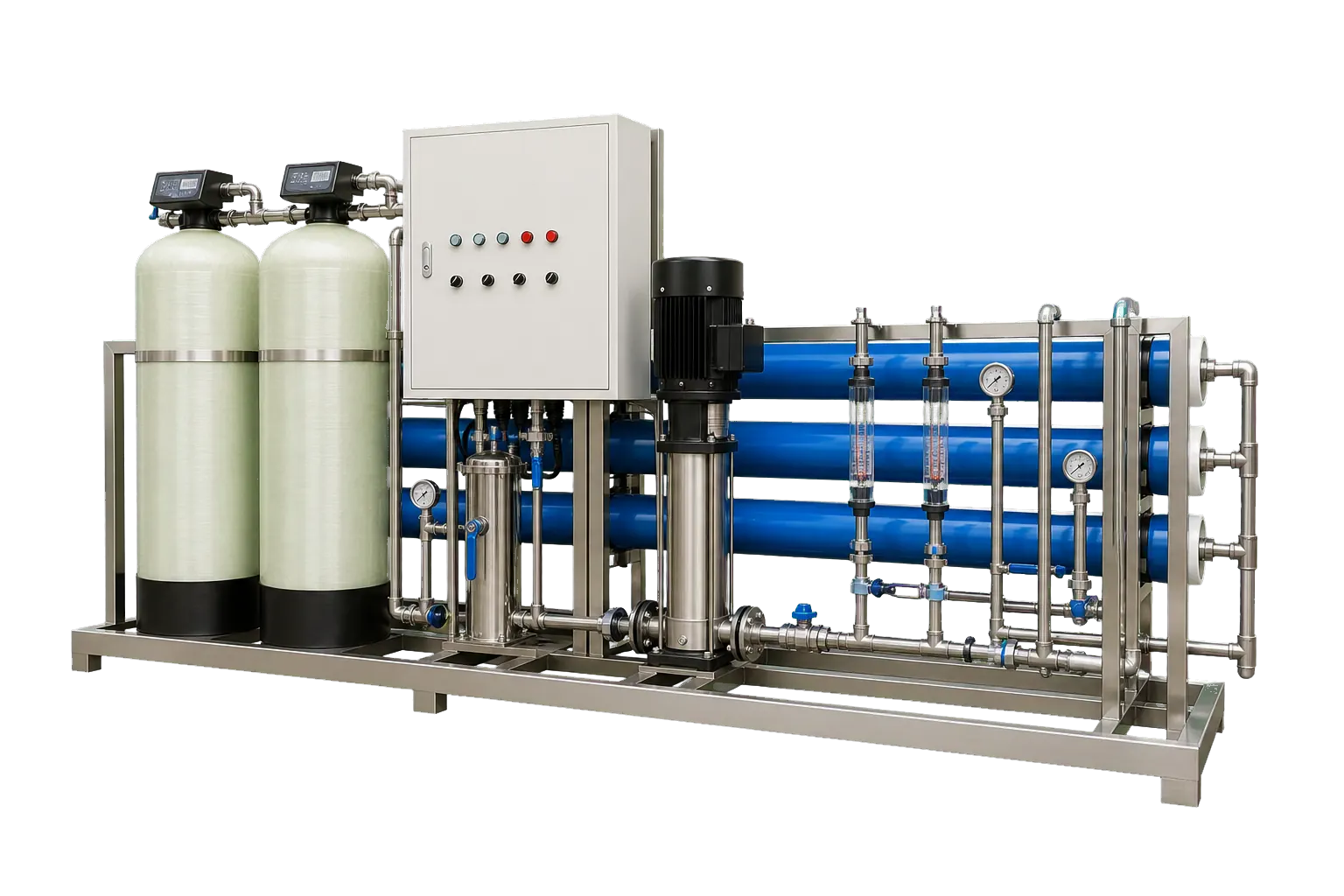
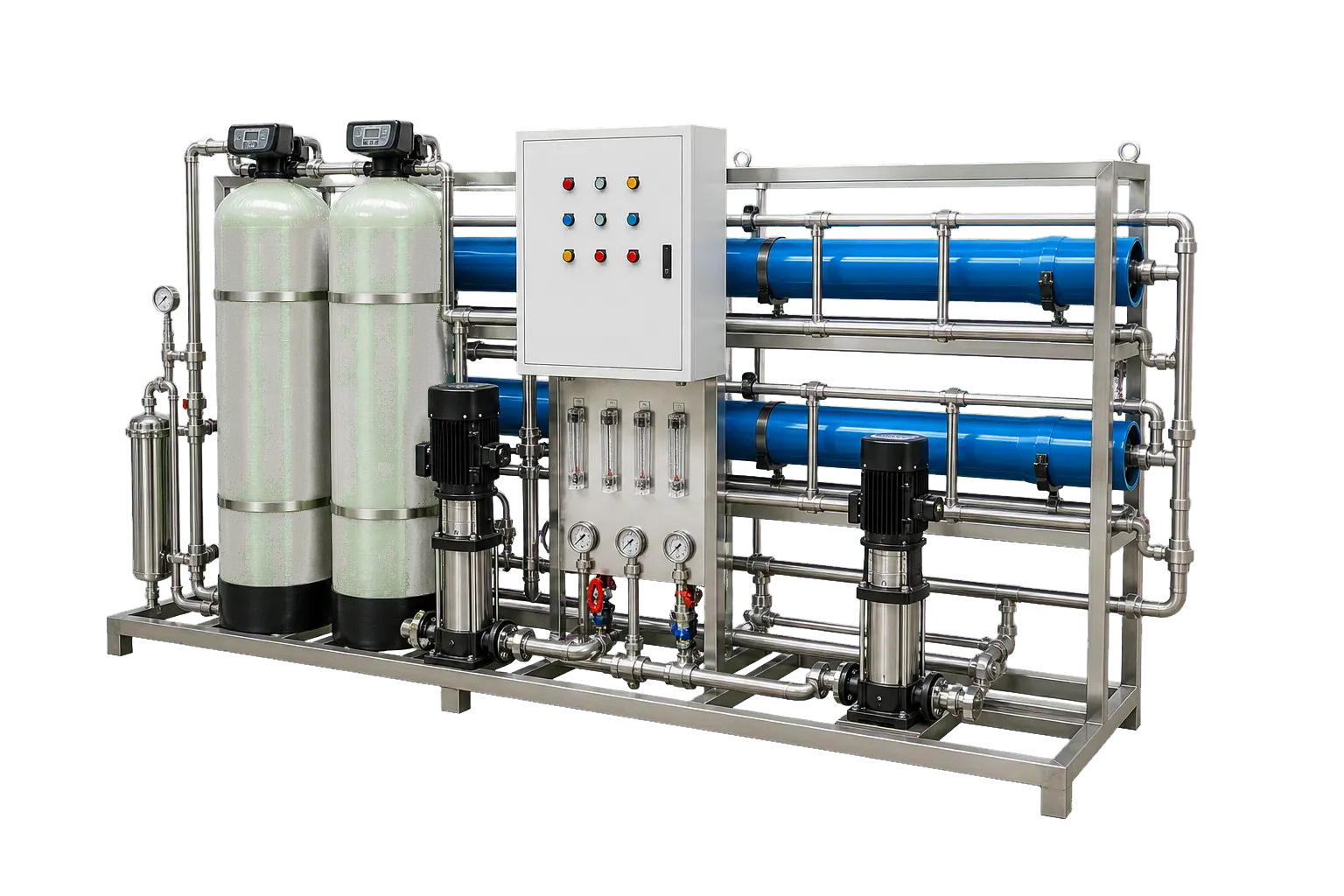
Single pass RO pure water systems from 250 LPH to 50 m3/h, selected by source water, TDS, recovery target and project capacity.
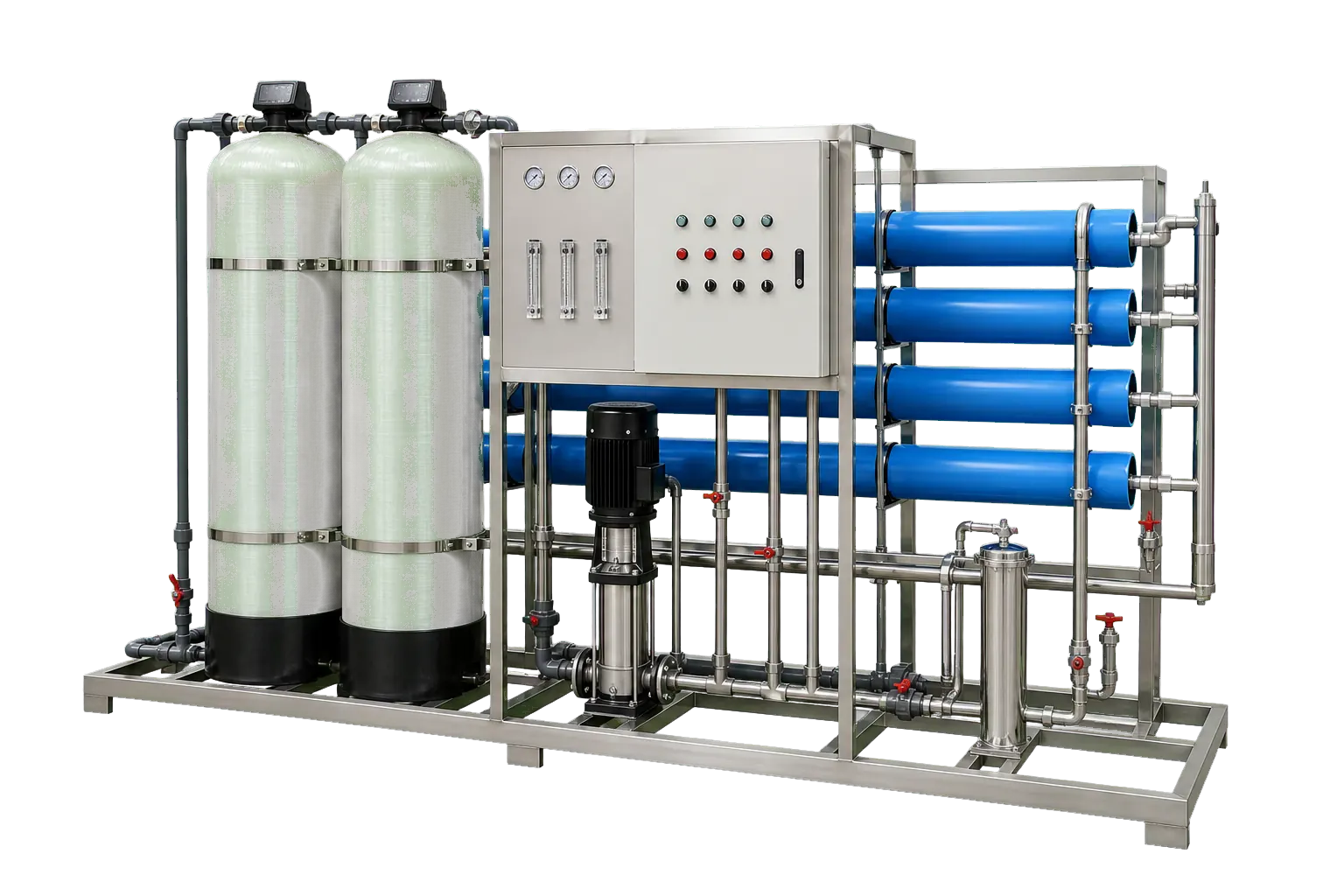
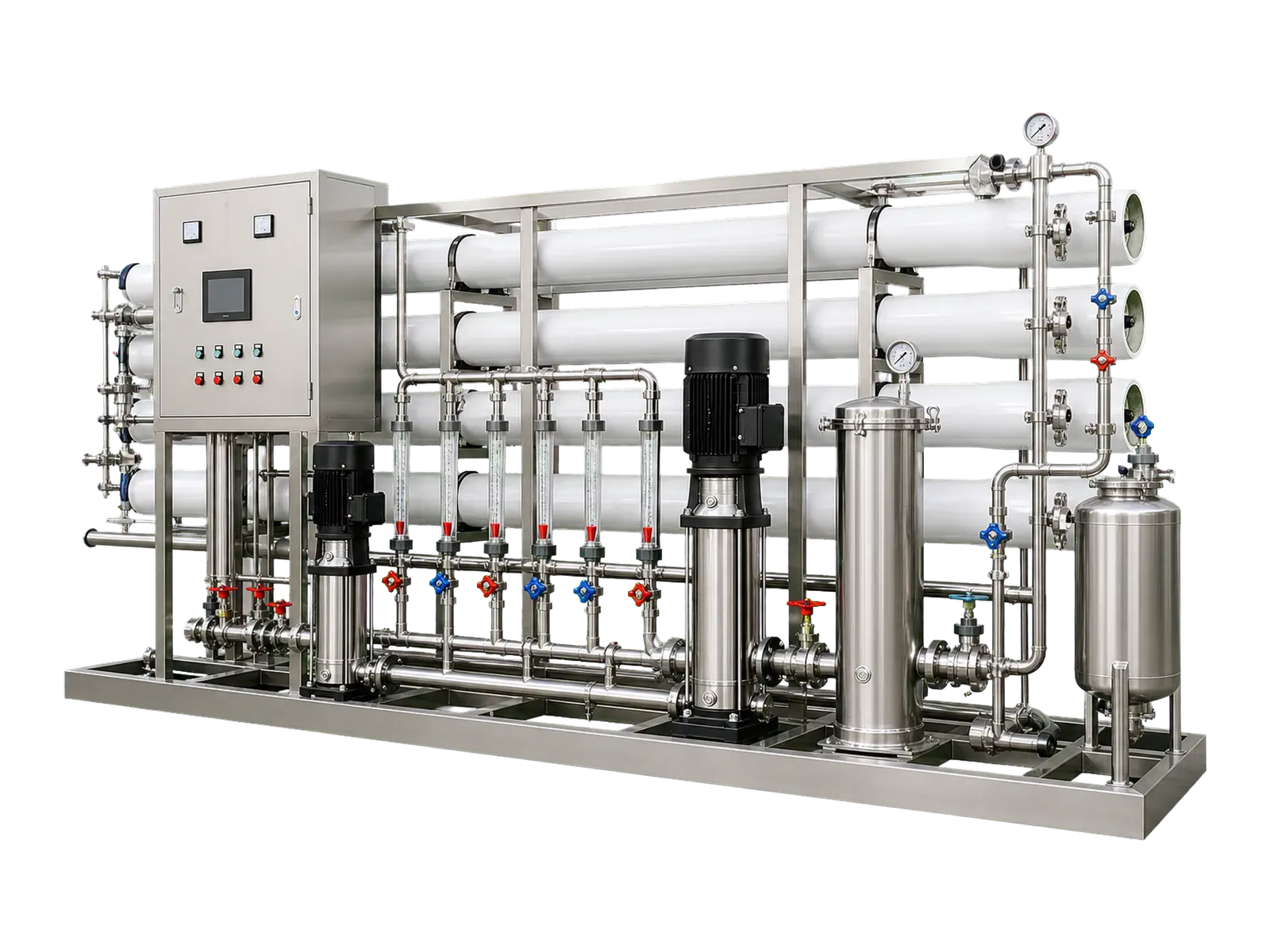
Double pass RO and stainless steel purified water systems for buyers needing lower conductivity and cleaner process water.
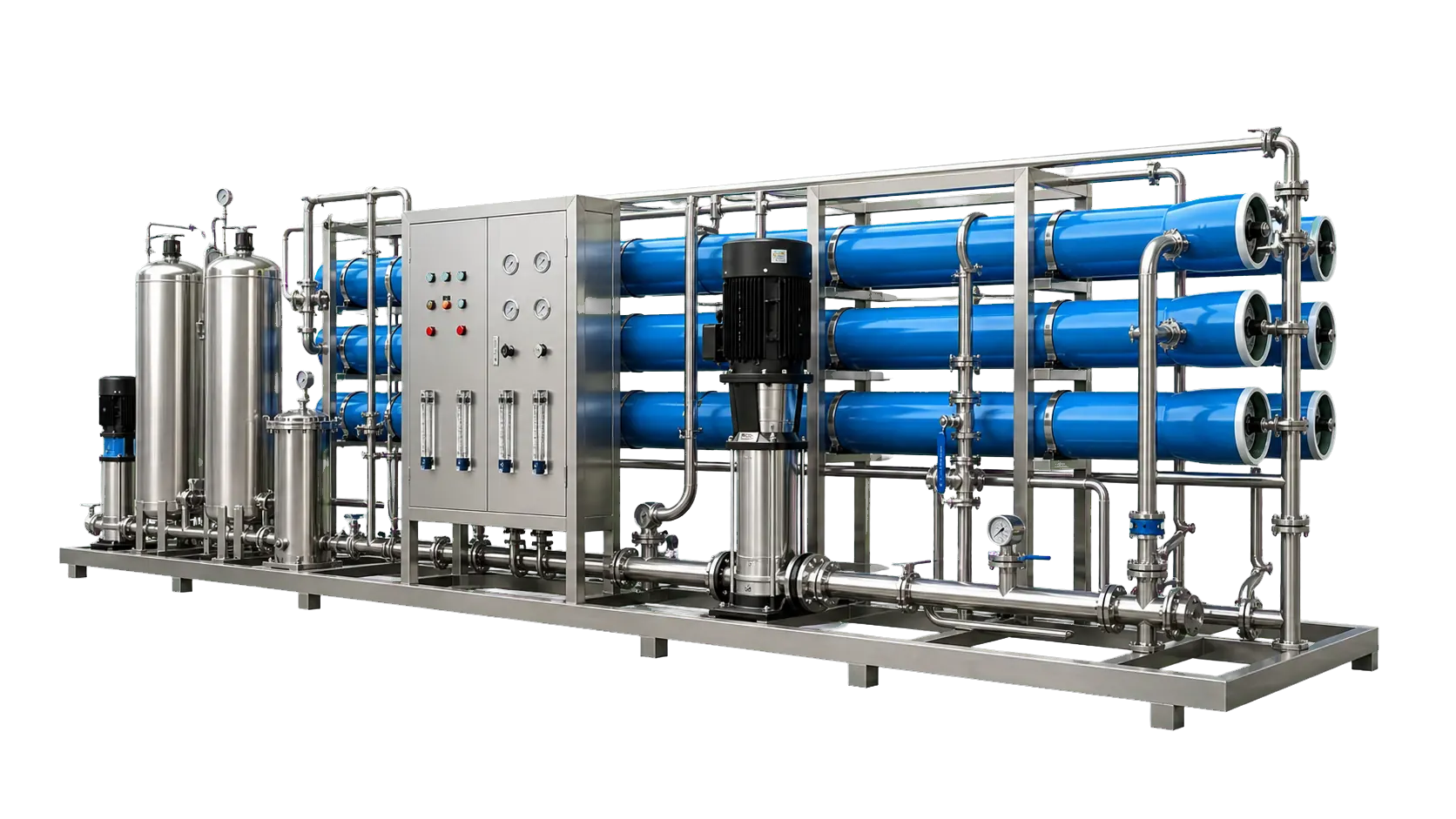
Ultrapure water systems with EDI modules for high purity water projects, including 2 m3/h EDI equipment with 8040 membrane configuration.
Ultrafiltration equipment for suspended solids, colloid and pretreatment applications before RO or reuse water systems.
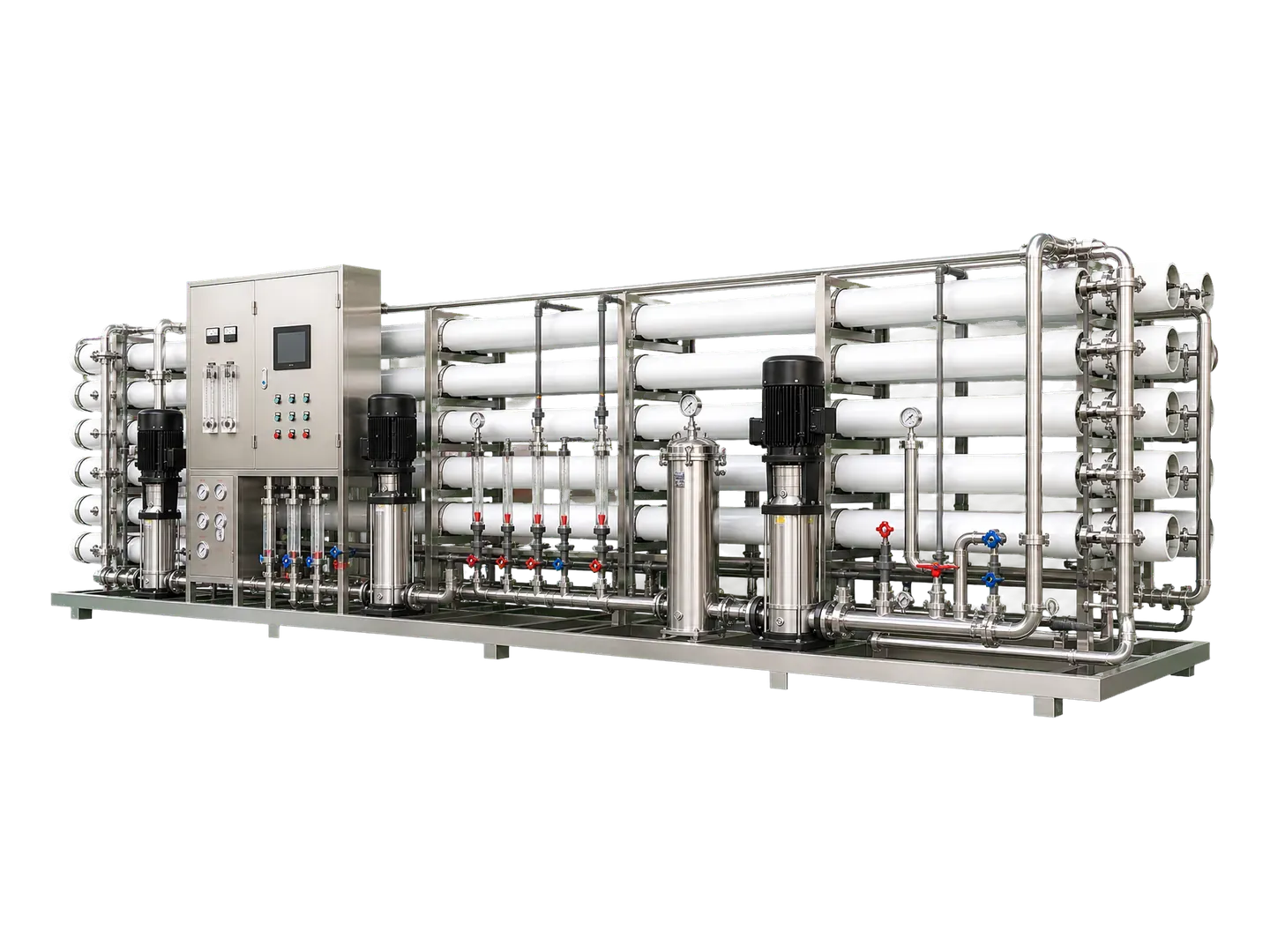
Large flow pretreatment systems for RO and purified water projects, including 200 m3/h pretreatment process sections.
Reverse osmosis membranes and consumables for replacement, maintenance and spare parts support.
Qingzhou Xinnuo Water Treatment
Factory-built RO, purified water, EDI, UF and pretreatment systems configured around your raw water and application.
Choose by output water target first. Flow rate, raw water and voltage come next.
 XINNUO WATERSingle Pass RO0.25T/H to 50T/H pure water systems for industrial process water.
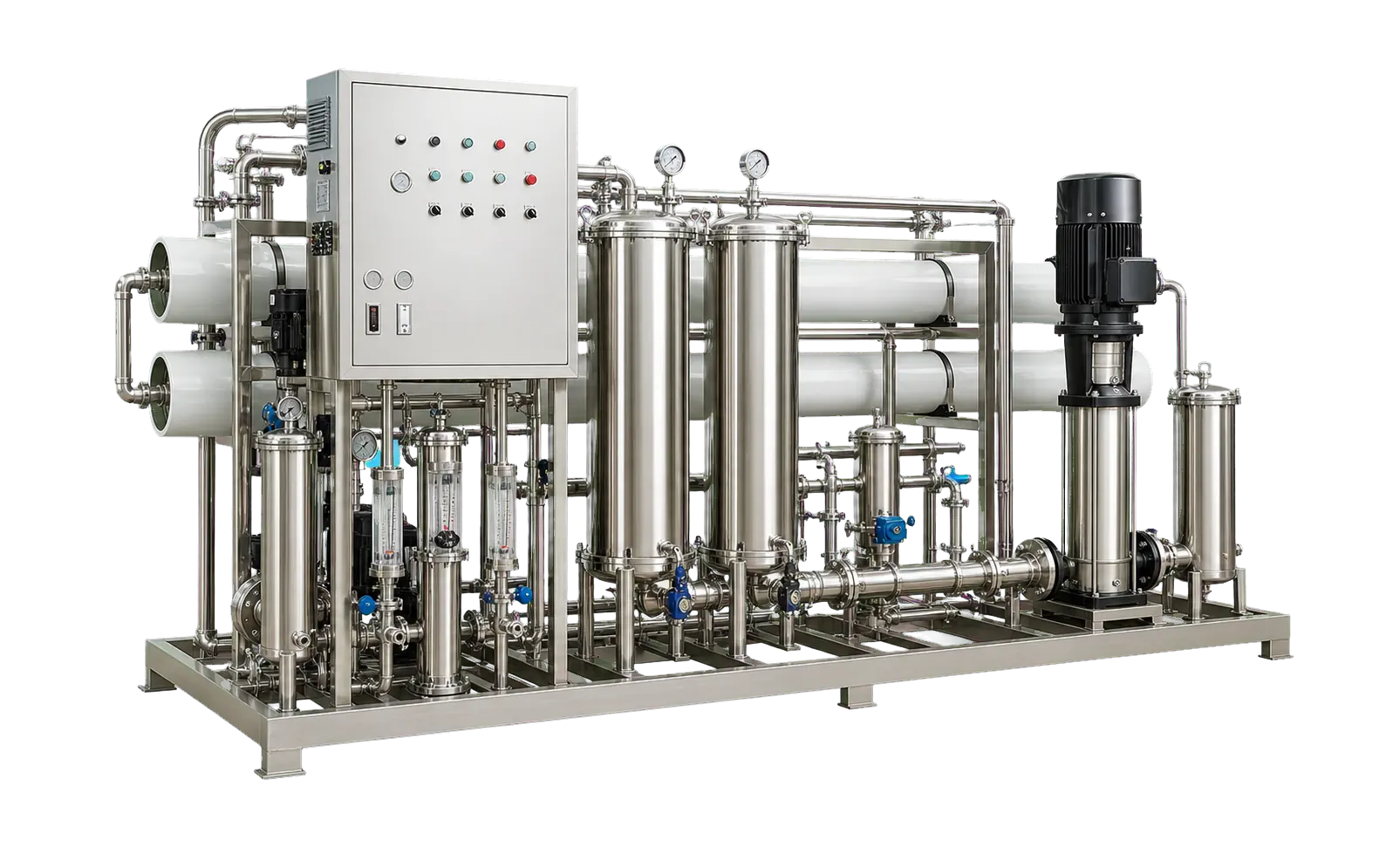 XINNUO WATERDouble Pass Purified WaterTwo-stage RO route for lower conductivity and cleaner water rooms.
High purity
XINNUO WATERDouble Pass Purified WaterTwo-stage RO route for lower conductivity and cleaner water rooms.
High purity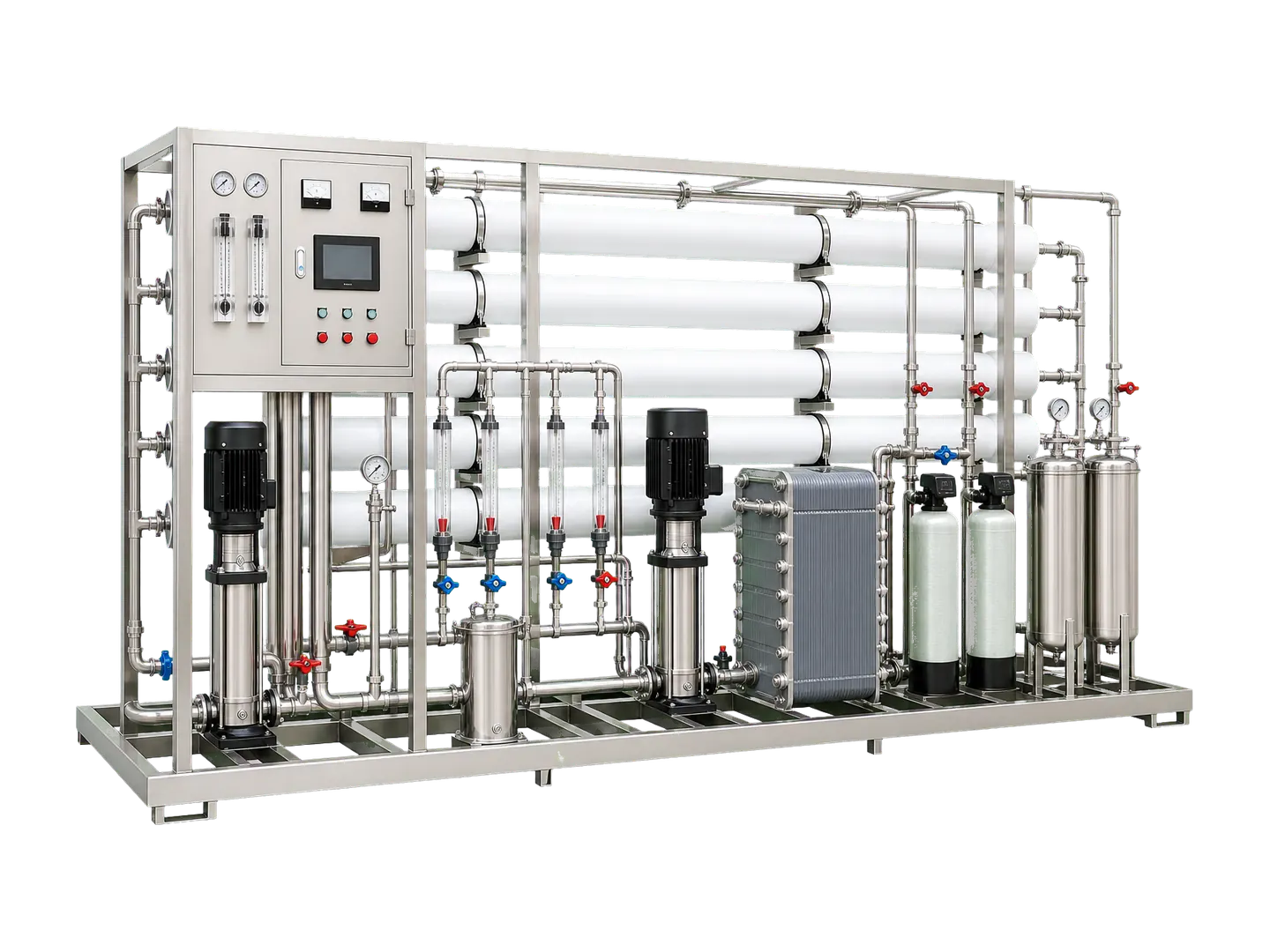 XINNUO WATEREDI Ultrapure WaterRO + EDI polishing for stricter high-purity output targets.
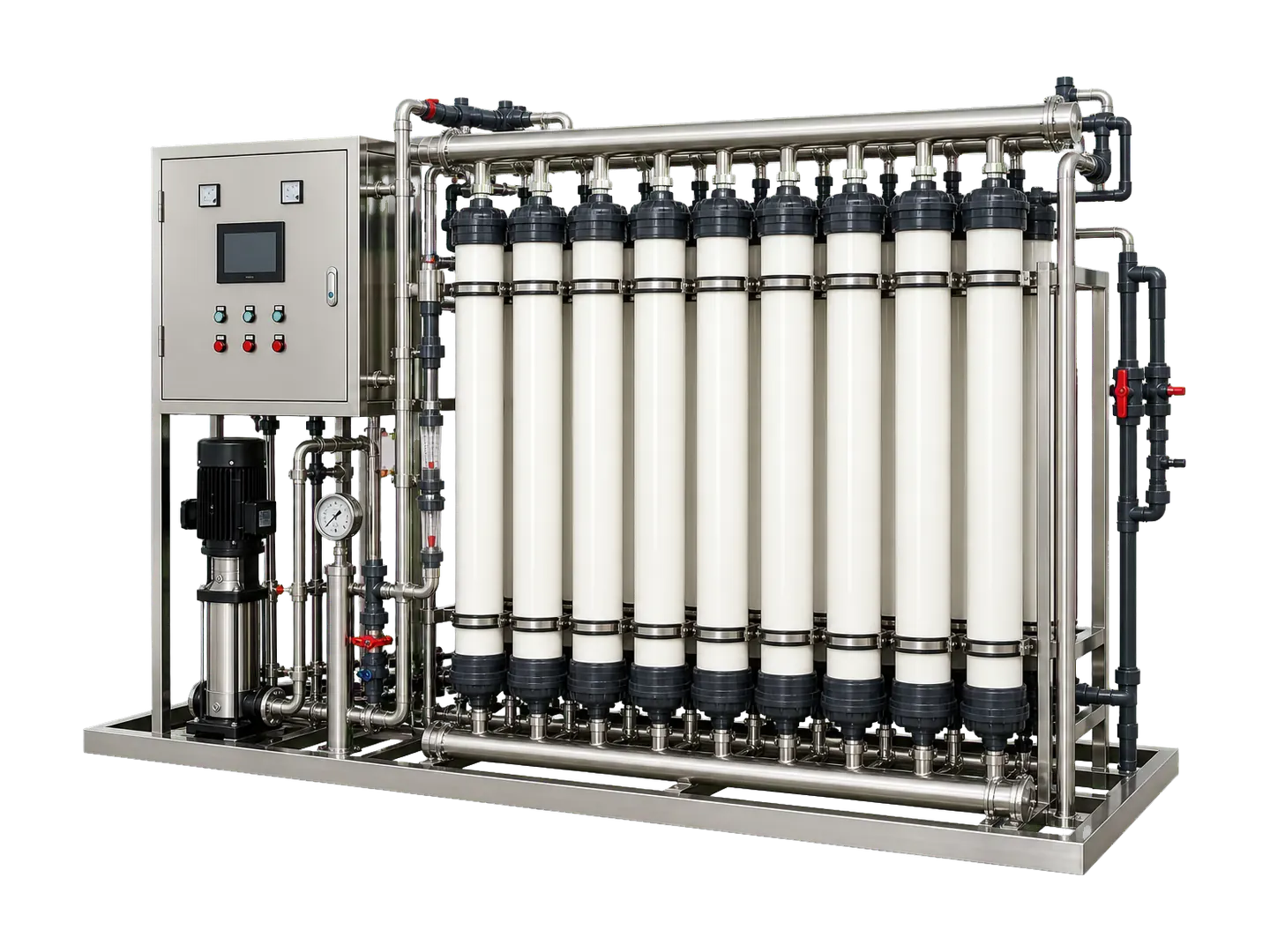 XINNUO WATERUltrafiltrationUF route for turbidity, colloid and suspended-solid control.
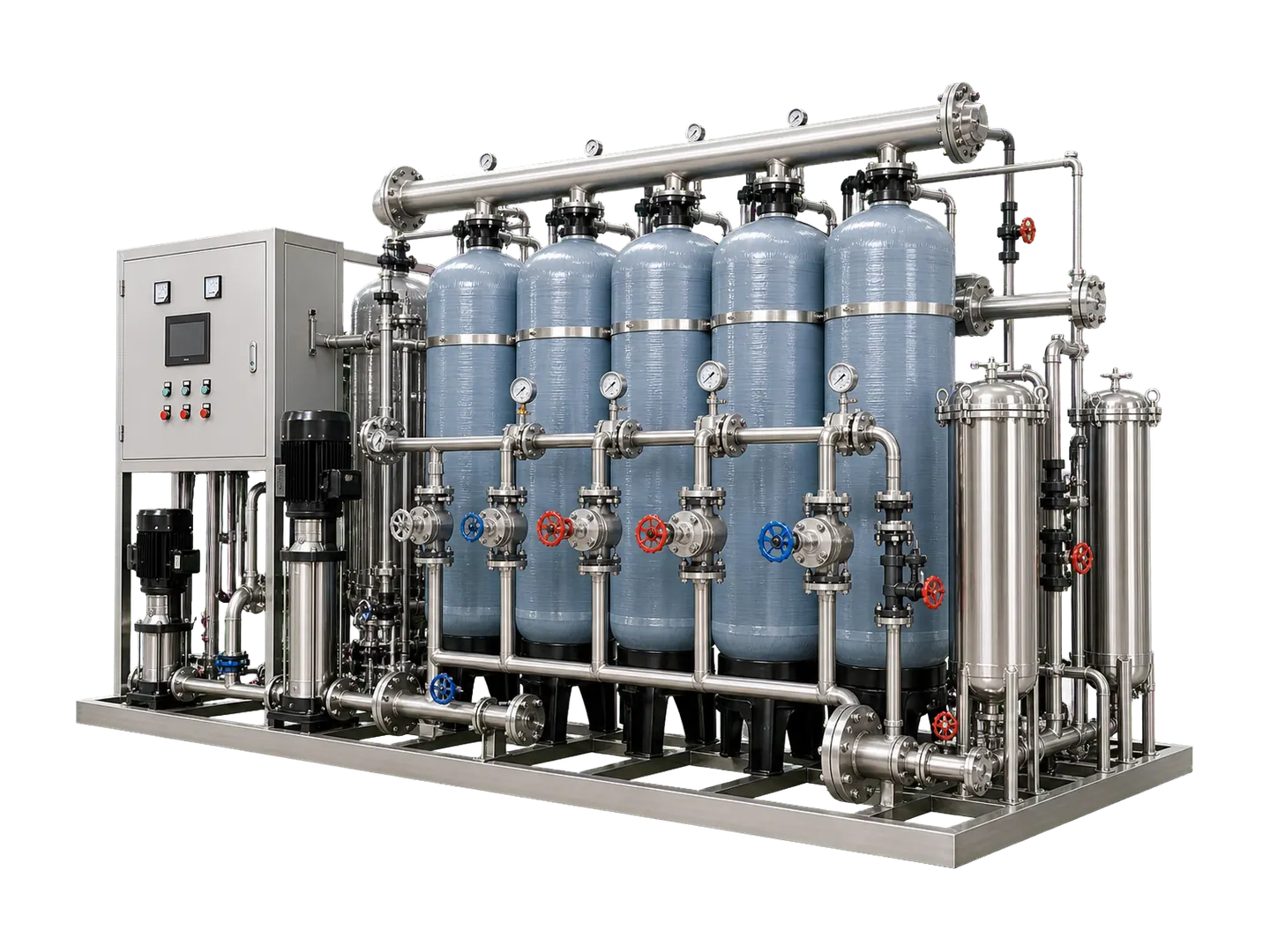 XINNUO WATERLarge Pretreatment200T/H pretreatment front end for high-flow RO projects.
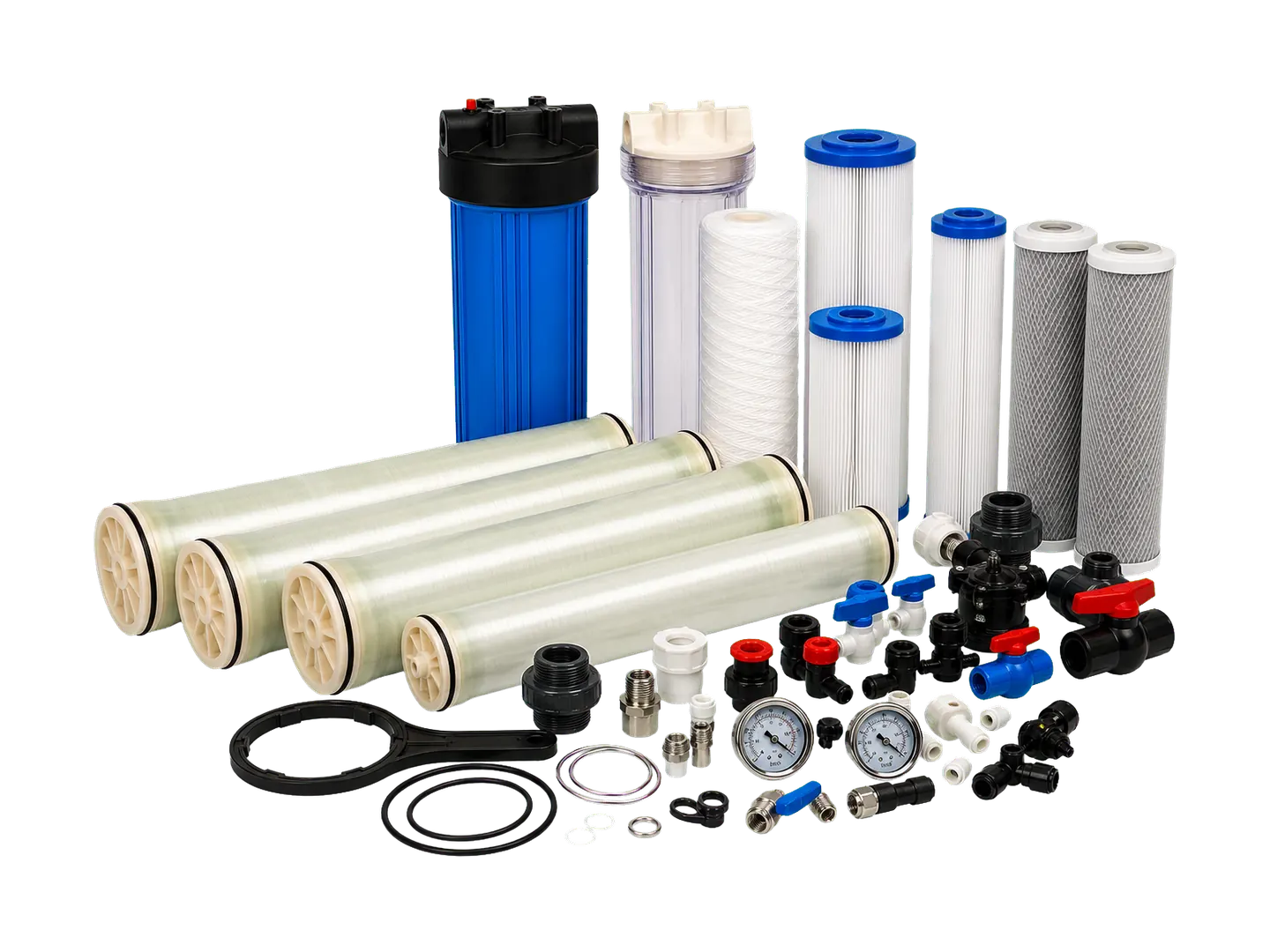 XINNUO WATERMembranes & ConsumablesRO membranes, filters and spare parts for export maintenance.
Most quotation delays come from one missing engineering input. Find the one that matches your project first.
Many buyers only know the water source, rough TDS and required capacity. That is enough to start, but not enough to lock membranes, pretreatment and recovery rate.
PROCESS IMPACTWhen output conductivity moves up and down, the issue is often pretreatment, membrane selection, dosing or recovery rate, not only the RO host machine.
QUALITY IMPACTA 1T/H system and a 2T/H system can both look correct until working hours, storage tank volume and peak demand are checked together.
CAPACITY IMPACTLarge consumable cost usually points to raw-water conditioning, filter replacement cycle, dosing accuracy or recovery rate settings.
COST IMPACTWe ask for water source, target water quality, capacity, voltage, application and destination country so the quotation is useful, not just a model list.
QUOTE IMPACTFlow rate should follow daily water use, working hours, peak demand and tank volume. Model names come after the capacity range is clear.
A food line, boiler room and EDI project do not judge water in the same way. Match the process to the use point first.
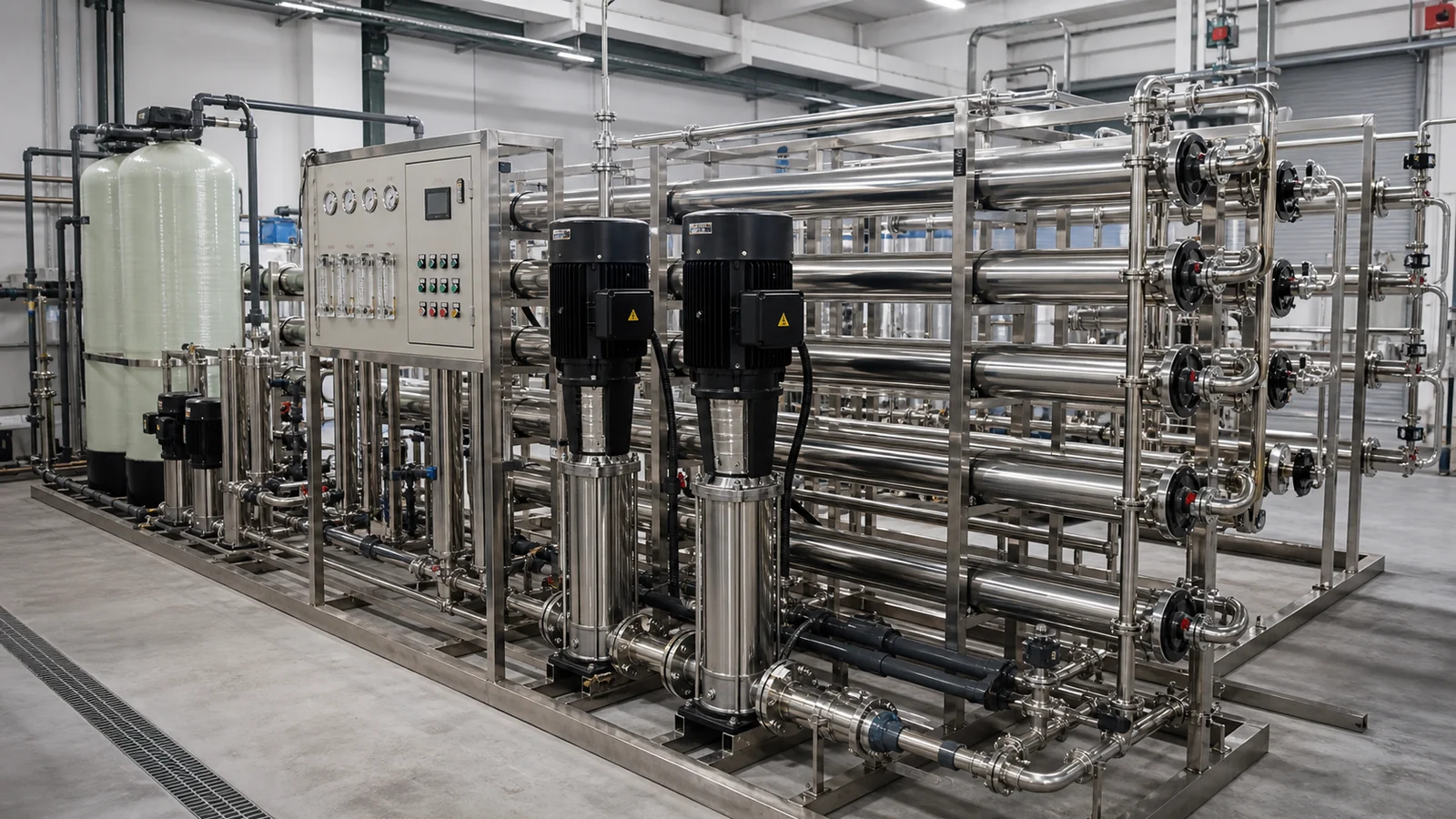
Production lines need stable flow and practical conductivity control. We match RO flow rate, storage, pump configuration and pretreatment from your actual working hours.
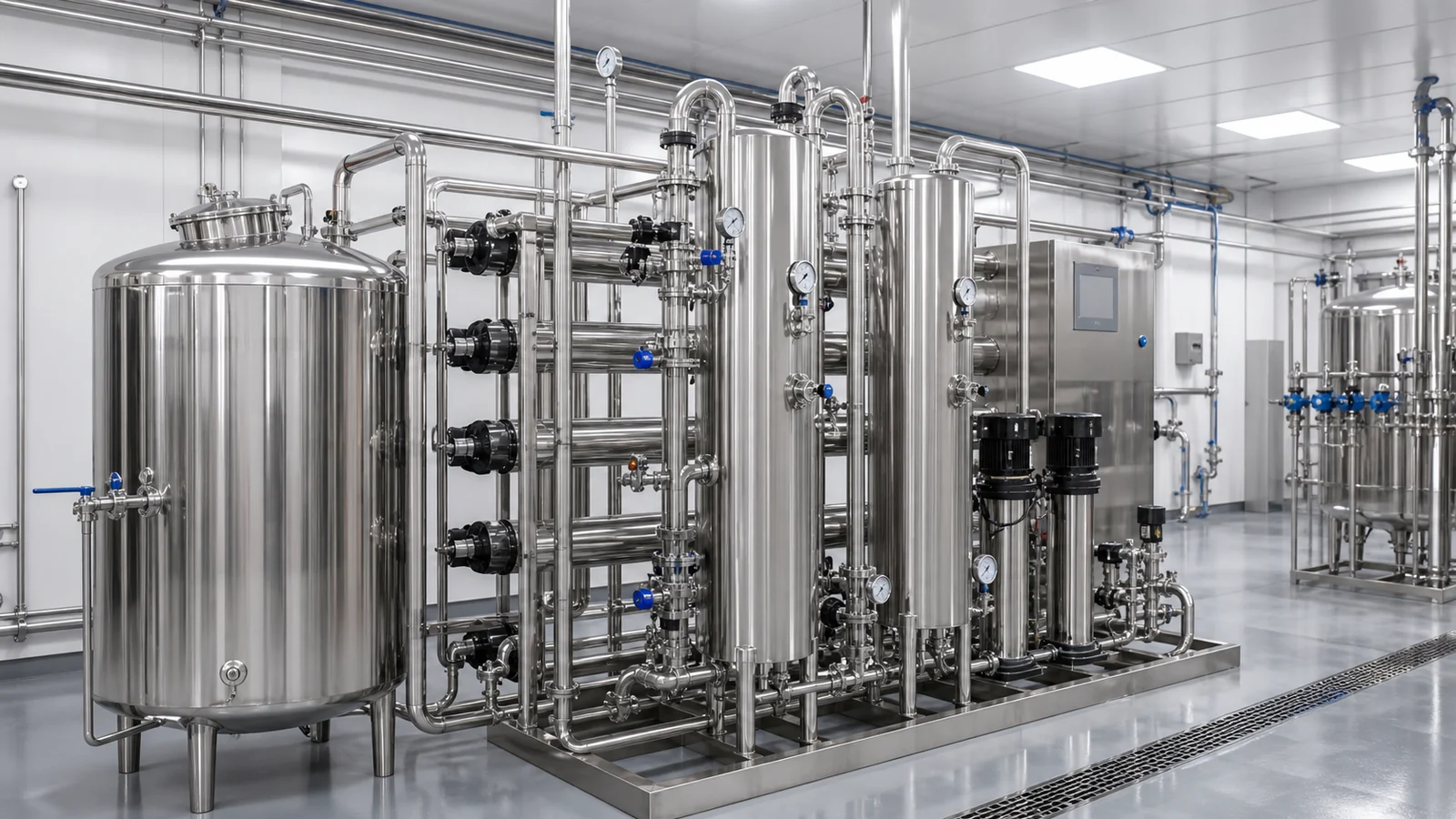
Food and beverage buyers usually need clean process water, stable pressure and easy maintenance. Stainless options and disinfection modules can be added by requirement.
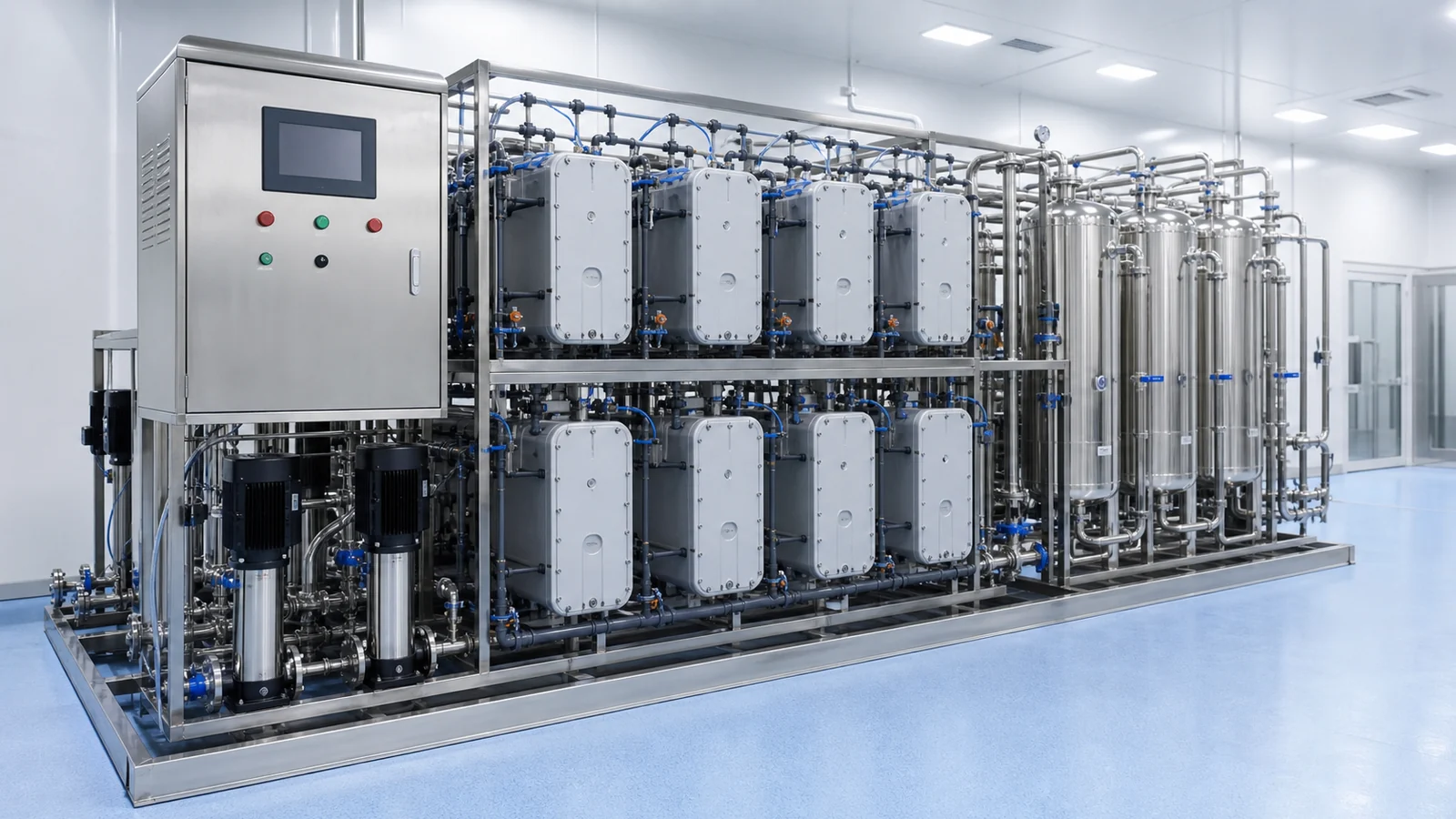
When ordinary RO is not enough, we add double pass RO, EDI and polishing modules around the final resistivity or conductivity target.
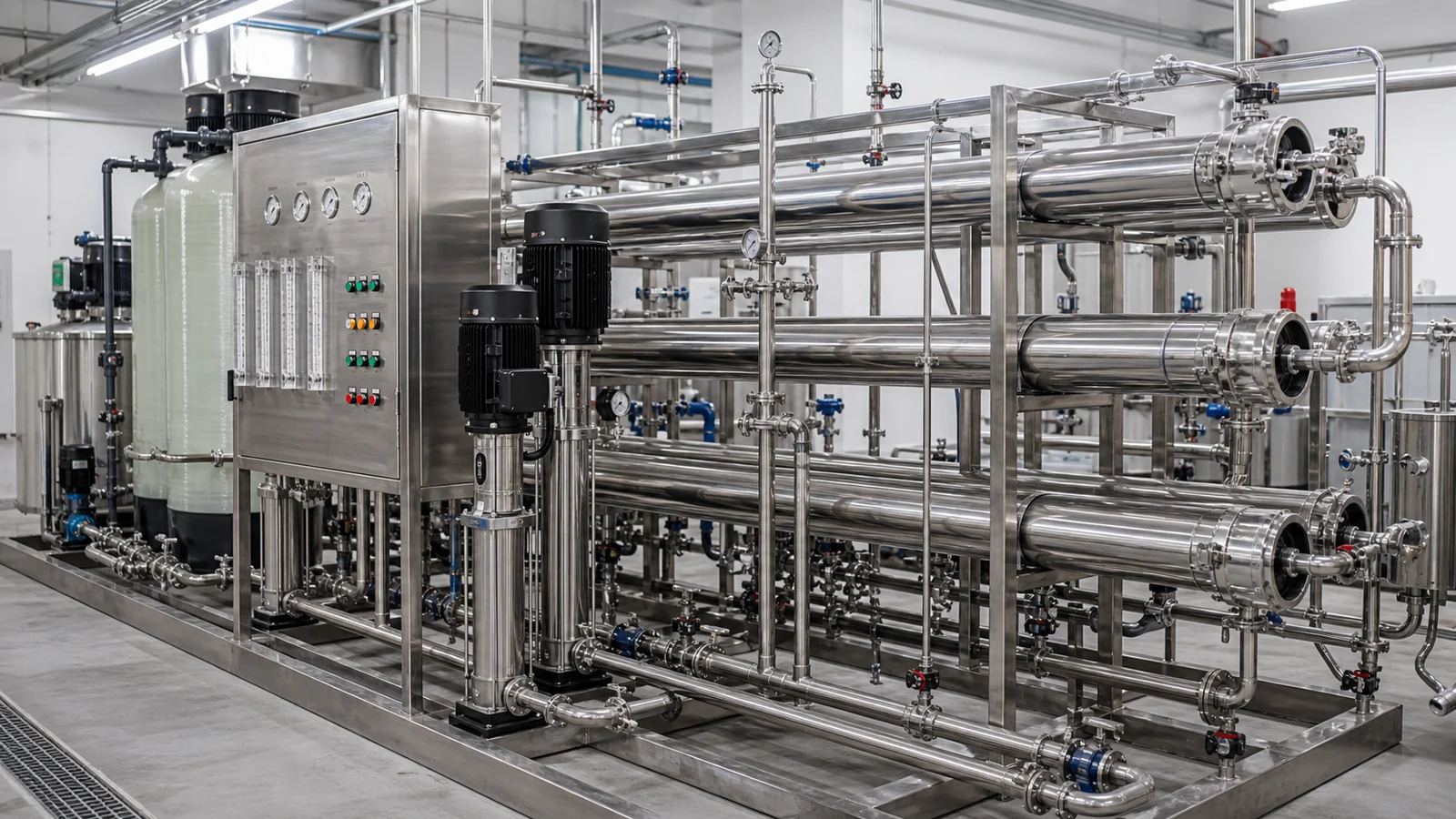
Purified water projects need cleaner piping, lower conductivity and a process that can be discussed clearly with engineering and procurement teams.
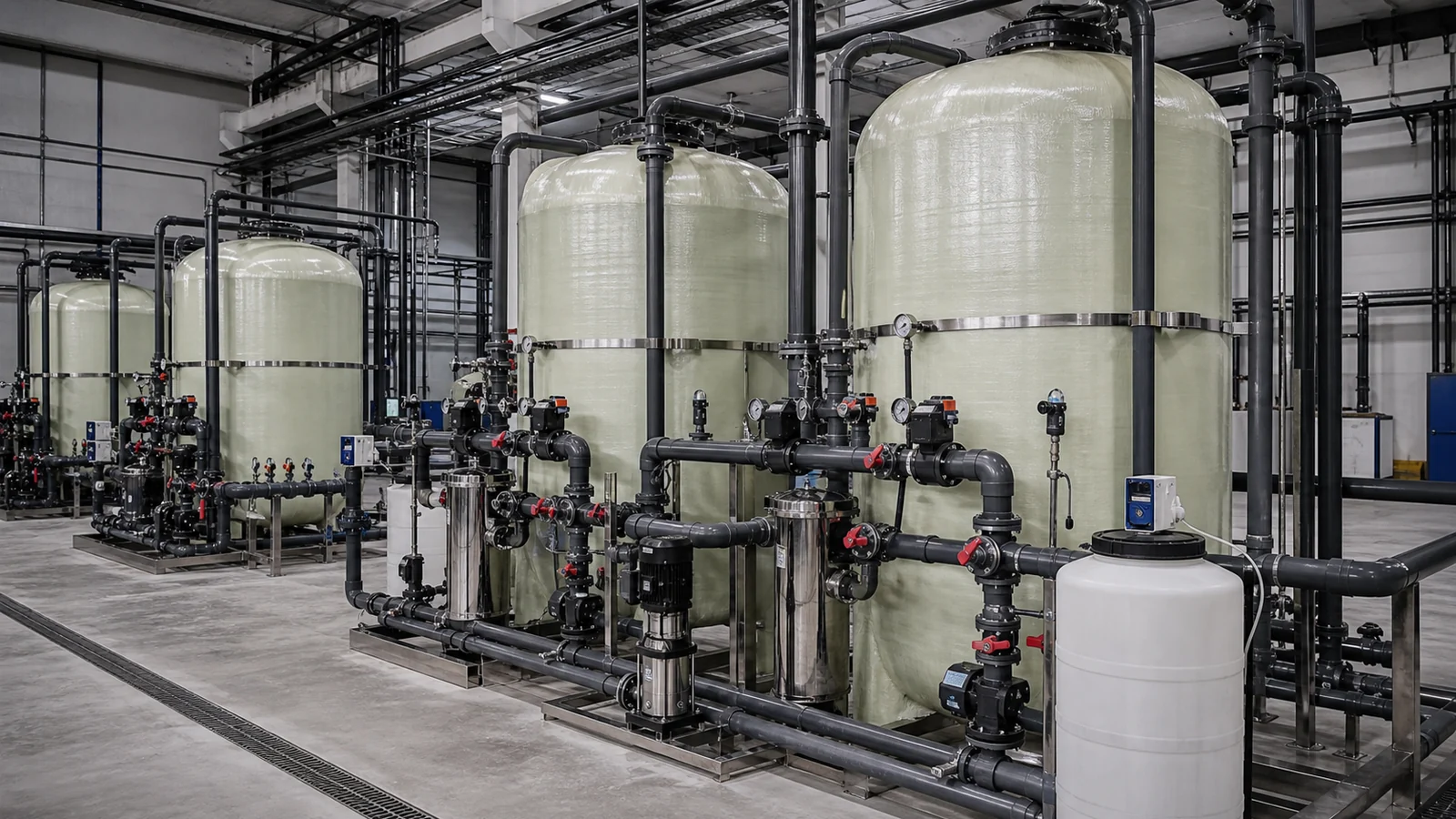
Large flow systems need raw-water conditioning before the RO section. Pretreatment protects membranes and keeps downstream operation predictable.
Hover a step to expand it. Each stage shows which data changes the final equipment configuration.
Select one proof point buyers usually check before placing an overseas equipment order.

Most projects already have tanks, pumps, boilers, filling equipment or a production line. We check those points before locking the route.
Capacity is only the starting point. Pretreatment, membrane layout, controls and polishing modules change with the water report.
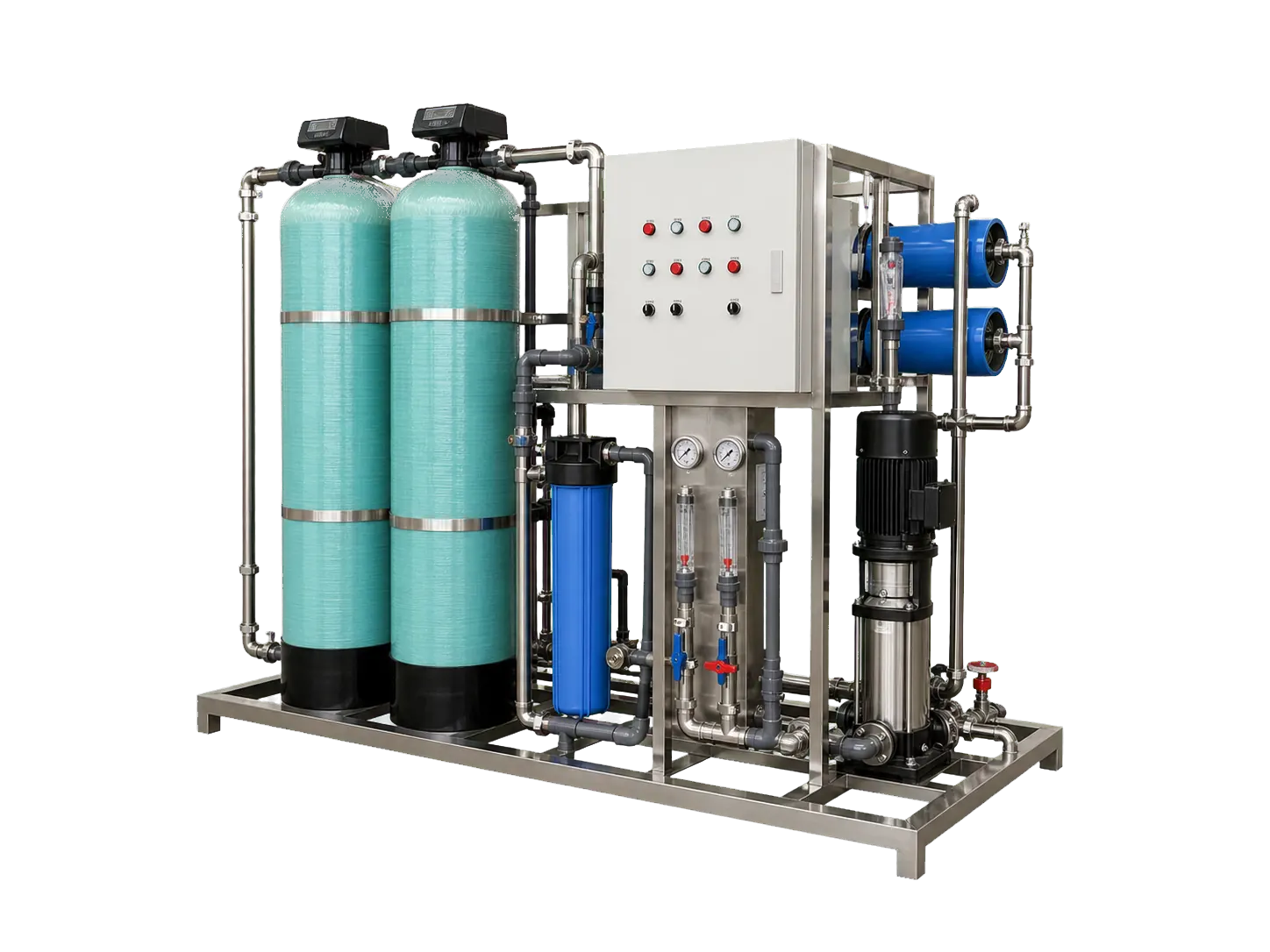 FRP or stainless material
Equipment material selected around budget, water target and room requirements.
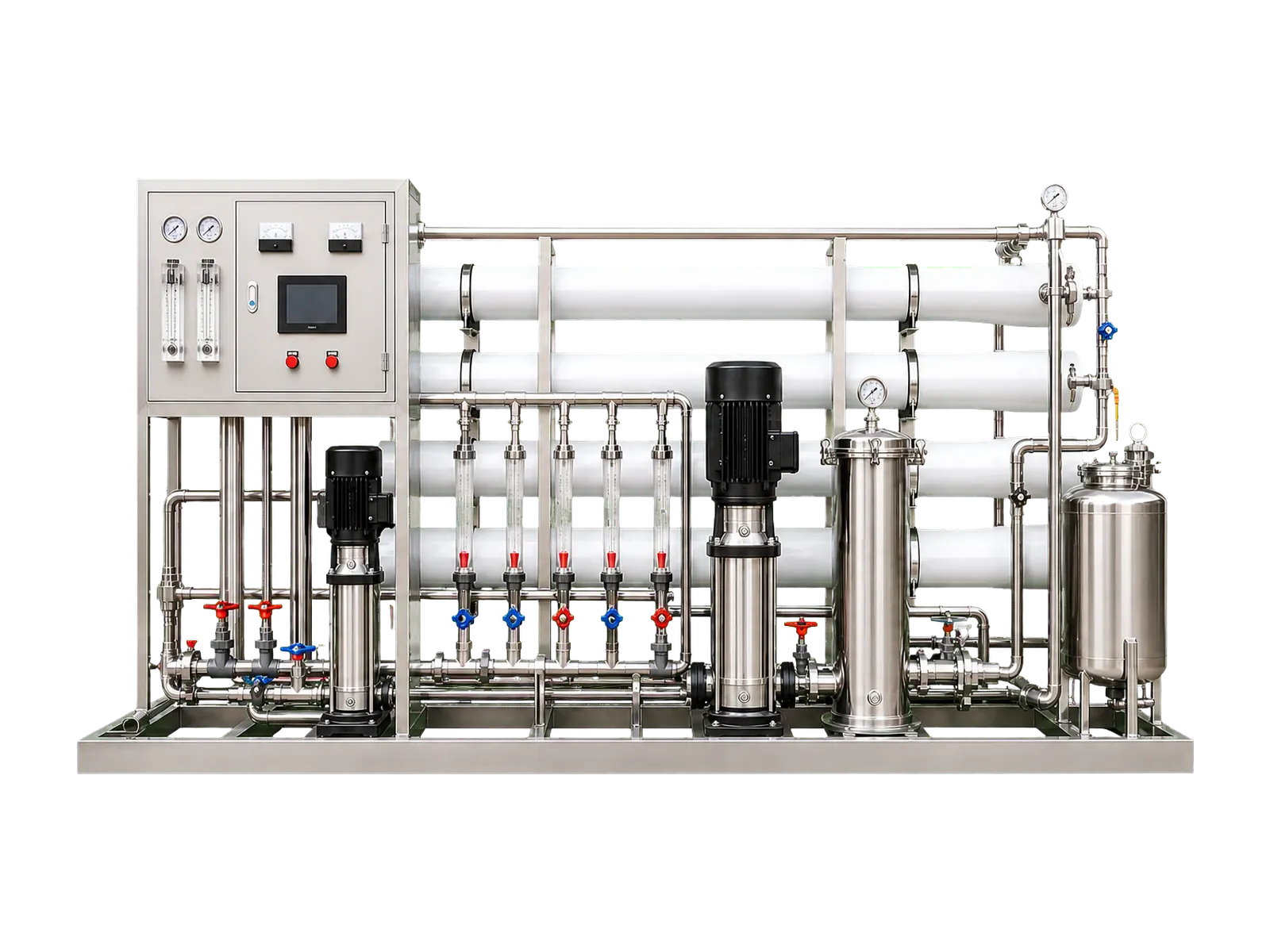 Flow rate and tank volume
Capacity matched with daily usage, peak demand and working hours.
 Membrane and vessel layout
Membrane quantity, vessel structure and recovery rate planned from water data.
 Control mode and voltage
Manual, automatic and local voltage options confirmed for export operation.
UF and pretreatment modulesFiltration, UF, softening or dosing added when raw water needs protection.
EDI, UV or ozone optionsPolishing and sterilization modules added when final water quality requires it.
One workshop builds the skid, runs water and checks export handover before shipment.
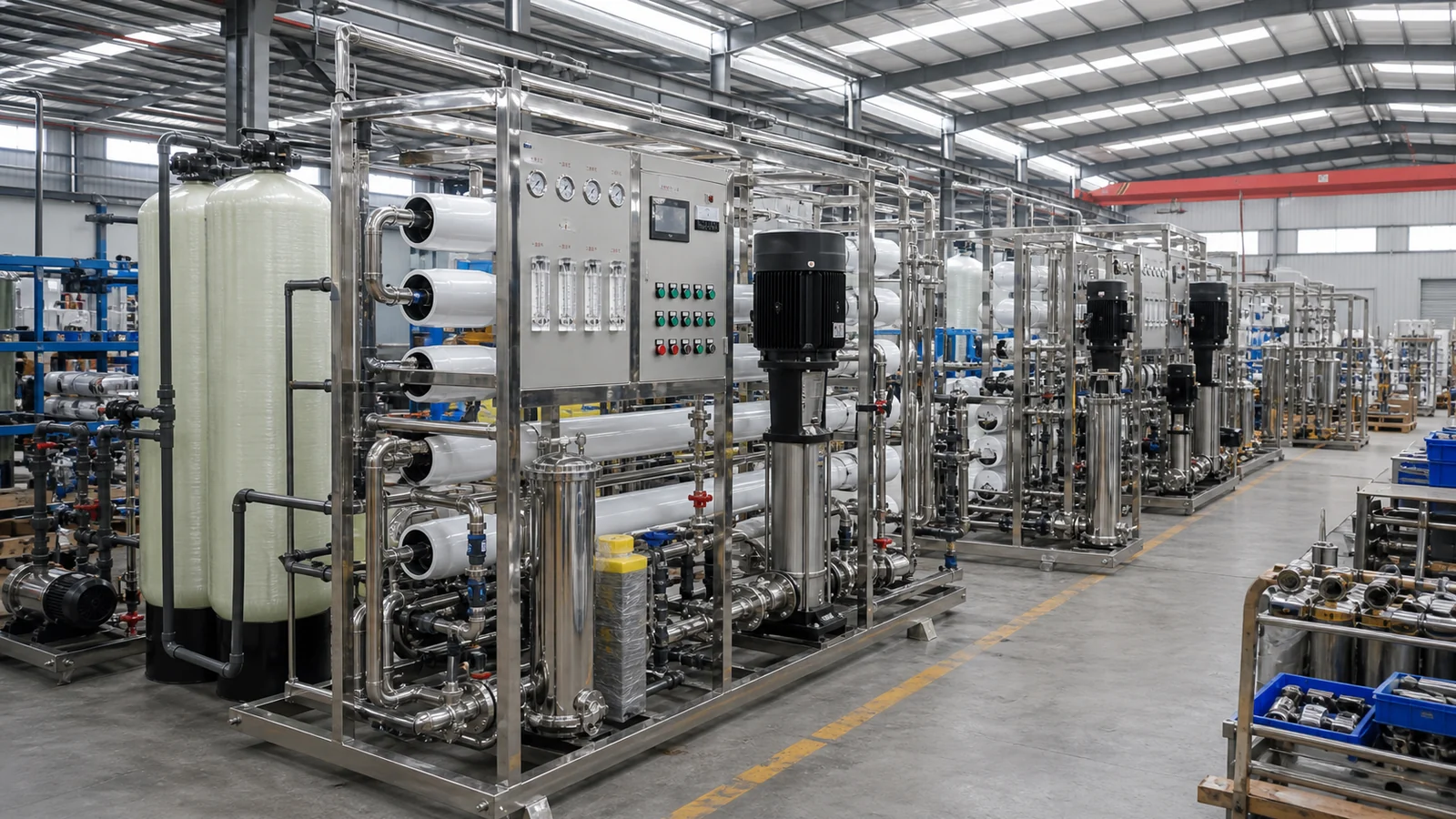
Buyers care less about claims and more about whether a similar water project was understood, configured and delivered clearly.

Xinnuo asked for our source water, target conductivity, working hours and voltage before quoting. The proposal was easier for our engineer and purchasing team to compare.
Short answers for buyers comparing industrial RO, purified water, EDI, UF, pretreatment and spare parts before inquiry.
An industrial RO water treatment system uses pretreatment, high pressure pumps and reverse osmosis membranes to produce pure water for production lines, purified water rooms, boilers or process water applications.
Send water source, TDS, capacity, application, target water quality, voltage and destination country. A full water report is best, but we can start with basic data.
Single pass RO fits ordinary pure water. Double pass RO is used for lower conductivity. EDI is added when the final water quality target is much stricter.
RO removes dissolved salts and lowers conductivity. UF mainly reduces suspended solids, colloids and turbidity, and is often used as pretreatment before RO.
FRP is practical for many standard RO projects. Stainless steel is considered when the water room, sanitation target or buyer specification requires a cleaner structure.
Yes. Share layout photos, tank information, pipe connection points and voltage. We use that information to check the equipment configuration before quotation.
Yes, but the quote will be a first recommendation. Water source and target water quality are still needed before production configuration is confirmed.
Yes. RO membranes, filters and common consumables can be matched with the equipment list for long-term maintenance.
Yes. Share the local voltage and phase requirement before quotation so pumps, control cabinet and electrical parts can be selected correctly.
The system is assembled, checked and packed for export. Testing points and packing details can be confirmed with the buyer before shipment.

Send the basics first. We will recommend a process route and only ask for missing data when it affects configuration.
